
Tipper Semi Trailer
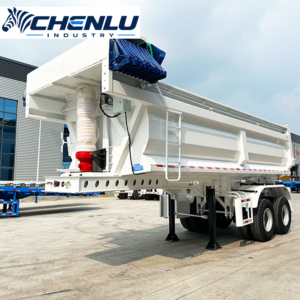
2 Axle Tipper Semi Trailer Price
2 axle dump semi trailer adopts a hydraulic self-unloading system, and its rapid unloading function greatly improves transportation efficiency. It is widely used for transporting bulk materials such as construction waste, minerals, and sand and gravel.
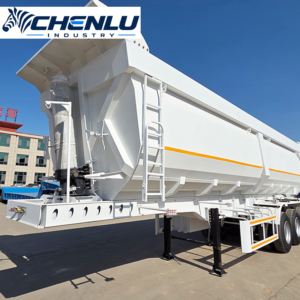
3 Axle Dump Semi Trailer
3 Axle Dump Semi Trailer: Equipped with a front-mounted hydraulic lifting system, high-strength wear-resistant steel body, and lightweight. Suitable for bulk building materials such as sand, gravel, ore, and soil.
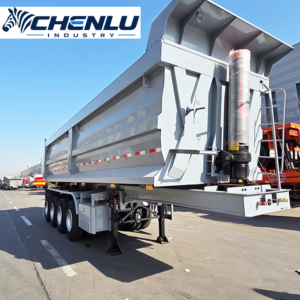
4 Axle Tipper Semi Trailer
4 Axle Tipper Semi Trailer features a fully reinforced frame and chassis, hydraulic lifting for smooth and safe operation, and is designed for heavy-duty transport. An additional axle effectively distributes axle load, making it ideal for high-intensity transport of large-tonnage ore and earthmoving projects.
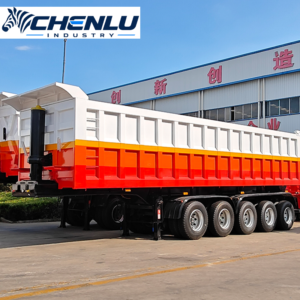
5 Alxe Dump Trailer
5 axle dump trailer features a multi-axle, densely packed design and a large-capacity cargo box. Combined with multiple large-diameter hydraulic cylinders, it boasts powerful lifting force and extremely high load-bearing capacity, making it ideal for transporting hundreds of tons or ultra-heavy bulk cargo.
CHAPTER 1 — Tipper Semi Trailer Guide: Types, Capacity, Structure & Buying Considerations
1-1. What Is a Tipper Semi Trailer and What Is It Used For?
A tipper semi trailer is a semi-trailer designed to transport and unload bulk materials by tilting its cargo body. Instead of requiring the cargo to be removed manually, the trailer uses a hydraulic lifting system to raise the body and allow loose materials to discharge through the rear or side.
Tipper semi trailers are commonly used for bulk material transportation in construction, mining, infrastructure, agriculture, quarrying and other industries. Typical applications include transporting sand, gravel, stone, aggregate, coal, soil and other suitable bulk materials.
The open-top cargo body provides a large loading area, while the hydraulic tipping system improves unloading efficiency. The actual trailer configuration depends on the cargo, operating environment, required capacity and transportation regulations.
1-2. What Is the Load Capacity of a Tipper Semi Trailer?
The load capacity of a tipper semi trailer depends on its axle configuration, frame structure, body design, suspension system, tire capacity, hydraulic system, tractor combination and applicable road regulations.
Tipper semi trailers can be designed for different payload requirements, from general bulk-cargo applications to heavy-duty transportation. A trailer’s rated capacity should not be determined only by the volume of its cargo body. The density of the material and the legal axle and gross vehicle weight limits are equally important.
For example, a large-volume body may be suitable for relatively light bulk materials, while high-density materials such as stone or certain ores may reach the legal payload limit before the cargo body is physically full.
For this reason, CHENLU recommends determining payload based on the actual material, body volume, axle configuration and operating regulations rather than selecting a trailer only by its nominal tonnage.
1-3. What Are the Main Types of Tipper Semi Trailers?
Tipper semi trailers can be configured in several forms according to the required unloading direction and application.
- Rear dump tipper trailer: The cargo body is raised at the front and the material is discharged through the rear.
- Side dump tipper trailer: The cargo body tilts toward one side, making it suitable for unloading where rear clearance is limited or side discharge is preferred.
- Heavy-duty tipper trailer: Designed with a reinforced structure and running gear for demanding bulk-material applications.
- Container tipping trailer: Designed to support certain container-based bulk cargo unloading applications using a dedicated tipping mechanism.
- Special-purpose tipper trailer: Configured around particular cargo, loading conditions or transportation requirements.
The appropriate type depends on the material being transported, loading method, unloading location, road conditions and available operating space.
1-4. How Does a Tipper Semi Trailer Work?
A tipper semi trailer uses hydraulic power to raise or tilt the cargo body. The hydraulic system normally works together with a power take-off, hydraulic pump, control valves, hydraulic cylinder, hydraulic oil tank and associated pipelines.
When the tipping system is activated, hydraulic pressure is supplied to the lifting cylinder. The cylinder extends and creates the force required to raise or tilt the cargo body. Once the body reaches the required unloading position, the material can discharge under gravity.
After unloading, the hydraulic system controls the return movement of the body until it is fully lowered and properly seated on the trailer frame.
The exact hydraulic configuration varies according to the trailer type, body dimensions, payload requirement and selected lifting components.
1-5. Rear Dump vs. Side Dump Tipper Trailer: What Is the Difference?
The main difference between rear dump and side dump tipper trailers is the direction in which the cargo is discharged.
| Feature | Rear Dump Tipper | Side Dump Tipper |
|---|---|---|
| Unloading direction | Rear | Side |
| Typical application | Construction materials, aggregate, soil and general bulk cargo | Applications where side discharge provides better access |
| Operating space | Requires sufficient space behind the trailer | Requires suitable side clearance |
| Hydraulic arrangement | Raises the body from the front | Tilts the body toward the selected side |
Neither configuration is universally better. The correct choice depends on the unloading environment, cargo characteristics and operating requirements.
1-6. Tipper Semi Trailer Capacity, Dimensions and Volume
Tipper semi trailer specifications normally include overall dimensions, cargo-body dimensions, number of axles, suspension type, tire configuration, payload rating and cargo volume.
Common cargo-body volumes vary according to the application and body design. Configurations may be developed around approximately 25 m³, 30 m³, 35 m³, 40 m³ or larger volumes, depending on the customer’s requirements.
The relationship between volume and payload is important. A 35 m³ trailer does not necessarily carry the same weight of every material because bulk density varies significantly between sand, gravel, coal, grain and other cargoes.
Trailer dimensions should also be checked against local road regulations, maximum permitted width, height, length, axle load and gross vehicle weight.
1-7. What Materials Can a Tipper Semi Trailer Transport?
Tipper semi trailers are primarily designed for loose bulk materials that can be loaded from the top and discharged by tilting the cargo body.
- Sand and gravel
- Stone and aggregate
- Coal
- Soil and construction material
- Ore and mining materials
- Industrial bulk materials
- Selected agricultural bulk products
The cargo should be compatible with the trailer body material, floor design, unloading mechanism and applicable regulations. Heavy or abrasive materials may require a reinforced body and wear-resistant structural design.
1-8. What Are the Main Components of a Tipper Semi Trailer?
A tipper semi trailer combines a structural chassis, cargo body, running gear and hydraulic unloading system.
- Main frame: Supports the cargo body and transfers loads toward the suspension and axles.
- Cargo body: Contains the bulk material during transportation.
- Hydraulic cylinder: Provides the lifting or tipping force.
- Hydraulic pump: Supplies pressurized hydraulic oil to the lifting system.
- Power take-off: Transfers power from the tractor drivetrain to the hydraulic pump.
- Hydraulic valves: Control oil flow and lifting or lowering functions.
- Axles: Carry the trailer load and transfer forces to the wheels.
- Suspension: Supports the axles and helps distribute the trailer load.
- Landing gear: Supports the trailer when disconnected from the tractor.
- Braking system: Provides controlled braking during transportation.
1-9. How Does the Hydraulic Lifting System Work?
The hydraulic lifting system converts mechanical power from the tractor into hydraulic pressure. A power take-off drives the hydraulic pump, which sends hydraulic oil through the control system to the lifting cylinder.
Depending on the system design, the hydraulic circuit can control lifting, stopping and lowering of the cargo body. The cylinder configuration may be selected according to the body size, required lifting force and available installation space.
Front-mounted telescopic cylinders are commonly used on certain rear-dump configurations, while other body designs may use different cylinder arrangements. The selected system must match the body structure and required tipping force.
Hydraulic components should be operated according to the manufacturer’s instructions. Incorrect pressure, overloaded operation, damaged hoses or unsuitable hydraulic oil can affect system performance and safety.
1-10. How to Operate a Tipper Semi Trailer Safely?
Tipper trailers should only be operated by trained personnel and on suitable ground conditions. The tipping operation changes the trailer’s center of gravity, so unloading conditions are particularly important.
- Park the tractor and trailer on firm, stable and reasonably level ground before tipping.
- Check that there are no people, vehicles, overhead obstacles or other hazards around the tipping area.
- Confirm that the cargo is distributed appropriately before lifting.
- Check the rear door or side-opening mechanism before starting the unloading operation.
- Operate the hydraulic system according to the manufacturer’s instructions.
- Do not move the vehicle while the cargo body is raised.
- Stop the lifting operation immediately if the trailer becomes unstable or the body does not unload normally.
- Fully lower and secure the cargo body before driving away.
Wind, uneven ground, frozen or sticky cargo, excessive load and uneven material distribution can increase rollover risk during tipping. These conditions should be evaluated before every unloading operation.
1-11. Common Tipper Semi Trailer Problems and Solutions
Hydraulic and mechanical problems can affect the lifting performance of a tipper semi trailer. Common symptoms include slow lifting, failure to lift, uneven movement, hydraulic leakage and difficulty returning the body to its normal position.
| Problem | Possible Cause | What to Check |
|---|---|---|
| Trailer does not lift | Hydraulic pressure or power supply problem | PTO, hydraulic pump, valves, oil level and hydraulic lines |
| Slow lifting | Insufficient flow or hydraulic system issue | Hydraulic oil, pump condition, filter and pipelines |
| Hydraulic oil leakage | Damaged hose, seal or connection | Hoses, fittings, cylinder seals and oil lines |
| Uneven lifting | Uneven loading or hydraulic imbalance | Cargo distribution and hydraulic components |
| Body does not lower normally | Hydraulic control or mechanical obstruction | Control valve, cylinder and body support points |
Hydraulic repairs should be performed by qualified personnel. Hydraulic systems can retain high pressure even after the equipment has stopped operating.
1-12. How to Maintain a Tipper Semi Trailer?
Regular maintenance helps keep the hydraulic, structural and running systems in suitable operating condition.
- Check hydraulic oil level and condition regularly.
- Inspect hydraulic hoses and connections for leakage, cracking or damage.
- Check hydraulic cylinders for damage to the piston rod and seals.
- Inspect hydraulic filters and replace them according to the maintenance schedule.
- Lubricate required cylinder mounting points and mechanical joints.
- Inspect axles, suspension components and tires.
- Check brake components and air lines.
- Inspect the cargo body, frame and welds for damage or excessive wear.
- Keep the hydraulic oil tank and filler system clean to reduce contamination.
Maintenance intervals should follow the trailer manufacturer’s recommendations and should be adjusted according to operating conditions, cargo type, climate and working intensity.
1-13. How to Choose the Right Tipper Semi Trailer?
The right tipper semi trailer should be selected according to the material being transported and the actual unloading environment.
Before ordering a trailer, buyers should consider:
- Type and bulk density of the cargo
- Required payload
- Required cargo volume
- Rear dump or side dump configuration
- Number of axles and axle capacity
- Mechanical or air suspension
- Hydraulic lifting system configuration
- Cargo-body material and reinforcement requirements
- Operating road conditions
- Tractor specifications
- Local length, width, height and weight regulations
A suitable tipper trailer balances payload, volume, structural strength, unloading efficiency, operating safety and legal requirements rather than focusing on capacity alone.
CHAPTER 2 — CHENLU INDUSTRY Tipper Semi Trailer Manufacturing & Custom Solutions
2-1. CHENLU INDUSTRY Tipper Semi Trailer Manufacturing Overview
CHENLU INDUSTRY develops tipper semi trailers for construction materials, aggregates, mining materials, agricultural bulk cargo and other transportation applications requiring hydraulic unloading.
The manufacturing process combines the cargo body, main frame, hydraulic system, axles, suspension, braking system, tires and other components into a complete transportation solution.
Because different bulk materials place different demands on the trailer, CHENLU can configure the trailer according to payload, body volume, cargo density, road conditions and unloading requirements.
2-2. How CHENLU Designs Tipper Semi Trailers for Different Cargo
Tipper trailer design begins with the cargo rather than simply selecting a standard body volume.
For high-density materials such as aggregate and stone, the frame, floor and body structure need to account for concentrated and abrasive loads. For lighter bulk materials, a larger body volume may be more important than maximum structural payload.
CHENLU considers cargo density, required volume, loading method, unloading direction, operating environment, axle configuration and tractor specifications when developing a tipper trailer configuration.
2-3. Tipper Trailer Body, Main Frame and Steel Selection
The cargo body and main frame are critical structural components of a tipper semi trailer. They must support the cargo during transportation and withstand the forces generated during loading and unloading.
Steel selection can be adjusted according to the required structural strength, body weight, cargo type and intended operating conditions.
For heavy-duty applications, reinforced body structures and suitable high-strength steel can be considered to achieve the required combination of structural strength and trailer weight.
The floor and side walls can also be configured according to the abrasiveness and characteristics of the transported material.
2-4. Tipper Semi Trailer Hydraulic System Configuration
The hydraulic system is one of the most important differences between a tipper semi trailer and a conventional flatbed or cargo trailer.
A typical hydraulic lifting system can include a power take-off, hydraulic pump, hydraulic oil tank, control valves, hydraulic cylinder, high-pressure hoses and related fittings.
The cylinder type and installation position depend on the tipping body design and required lifting force. Different configurations may be used for rear-dump and side-dump trailers.
Hydraulic components should be selected according to the body weight, payload, lifting geometry, operating pressure and expected working conditions.
2-5. Axles, Suspension, Tires and Braking Systems
The running gear of a tipper semi trailer must be matched to the expected payload and road conditions.
CHENLU configurations can include different axle numbers and axle capacities, together with mechanical or air suspension depending on the project requirements.
Tire size and load rating should correspond to the axle configuration and expected operating load. Braking systems can be configured with appropriate air brake components and, where required, ABS or EBS-related systems.
The final axle, suspension, tire and brake combination should be evaluated as a complete system rather than selecting individual components separately.
2-6. Rear Dump and Side Dump Body Configuration
CHENLU can configure the cargo body according to the required unloading method.
Rear-dump bodies are raised from the front and discharge material toward the rear. This is a common configuration for construction and bulk-material transportation.
Side-dump bodies use a hydraulic mechanism to tilt the cargo body sideways. This can be useful when the unloading area does not provide sufficient rear clearance or when side discharge is preferred.
Body length, wall height, floor design, reinforcement and hydraulic arrangement can be customized according to the cargo and operating environment.
2-7. Tipper Semi Trailer Capacity, Dimensions and Customization
Tipper semi trailer dimensions and capacity are developed according to the customer’s transportation requirements.
Important parameters include:
- Overall trailer length and width
- Cargo-body length and width
- Body height and volume
- Number of axles
- Payload requirement
- Suspension type
- Hydraulic cylinder configuration
- Floor and side-wall structure
- Kingpin and landing gear configuration
For export projects, the final dimensions should also be checked against the transportation regulations of the destination market.
2-8. Custom Tipper Semi Trailers for Different Applications
Different industries require different tipper trailer configurations. CHENLU can develop trailer specifications around the intended cargo and working environment.
- Construction materials: Suitable for transporting sand, gravel, aggregate, soil and other common construction materials.
- Mining applications: May require reinforced structures, heavy-duty running gear and wear-resistant body components.
- Quarry operations: Can be configured for abrasive stone and aggregate transportation.
- Agricultural bulk cargo: Body volume and unloading configuration can be selected according to the material density and handling requirements.
- Industrial bulk materials: Trailer structure and body design can be adapted to the specific material and transportation conditions.
2-9. CHENLU INDUSTRY Tipper Semi Trailer Production Process
Tipper semi trailer manufacturing involves structural fabrication, hydraulic installation and running-system assembly.
- Confirm cargo requirements and technical specifications.
- Prepare the trailer design and technical drawings.
- Cut and prepare structural steel components.
- Fabricate and weld the main frame and cargo body.
- Install axles, suspension and running components.
- Install the hydraulic lifting system and related components.
- Complete surface preparation, primer and finishing paint.
- Install tires, braking components, lighting, landing gear and accessories.
- Perform final inspection and prepare the trailer for delivery.
Production procedures can be adjusted according to the trailer configuration and required specifications.
2-10. How CHENLU Inspects Tipper Semi Trailers Before Delivery
Before delivery, CHENLU checks the completed trailer against the approved technical configuration.
Inspection can cover the main frame, cargo body, welds, hydraulic system, axles, suspension, tires, braking system, electrical components, landing gear and other specified equipment.
The hydraulic system can also be checked for proper operation, hydraulic connections and lifting or lowering functions according to the selected configuration.
Final inspection helps confirm that the trailer is assembled according to the required specification before shipment.
2-11. Tipper Trailer Painting, Protection and Shipping
After fabrication, the trailer surface can be prepared through cleaning and surface treatment before primer and finishing paint are applied.
Because export trailers may spend considerable time in transportation and storage, appropriate protection can be used before shipment. Depending on the shipping method, exposed surfaces can be protected with anti-corrosion treatment and waterproof covering.
Tipper semi trailers can be prepared for different shipping methods according to their dimensions, weight and destination. The final shipping arrangement can be discussed according to the customer’s logistics requirements.
2-12. CHENLU Tipper Semi Trailer Configurations and Custom Solutions
CHENLU can configure tipper semi trailers around different payload, volume and unloading requirements.
Customization may include:
- Rear dump or side dump configuration
- Trailer length and cargo-body dimensions
- Cargo-body volume
- Axle number and axle specification
- Mechanical or air suspension
- Hydraulic cylinder and lifting-system configuration
- Steel grade and body reinforcement
- Floor thickness and wear-resistant structure
- Tire and braking configuration
- Landing gear and electrical system
- Surface treatment and paint requirements
The final specification is developed according to the customer’s cargo, tractor, operating conditions and destination-market requirements.
2-13. What Information Do You Need to Order a Tipper Semi Trailer?
To recommend a suitable tipper semi trailer, customers should provide information about both the cargo and the intended operating environment.
-
- Type of cargo
- Approximate cargo density
- Required payload
- Required cargo volume
- Rear dump or side dump preference
- Required trailer dimensions
- Number of axles or preferred axle configuration
- Mechanical or air suspension requirements
- Tractor specifications
- Operating country or region
- Road and weight regulations
- Loading and unloading conditions
- Special requirements for hydraulic or cargo-body configuration
With these details, CHENLU INDUSTRY can evaluate the appropriate body volume, structural configuration, hydraulic system, running gear and overall trailer specification for the intended application.
Send Inquiry
Tell us the trailer model, quantity, destination port and your main transport cargo. Our sales team will reply with a suitable configuration.